







Search Results for: diplomatic turmoil
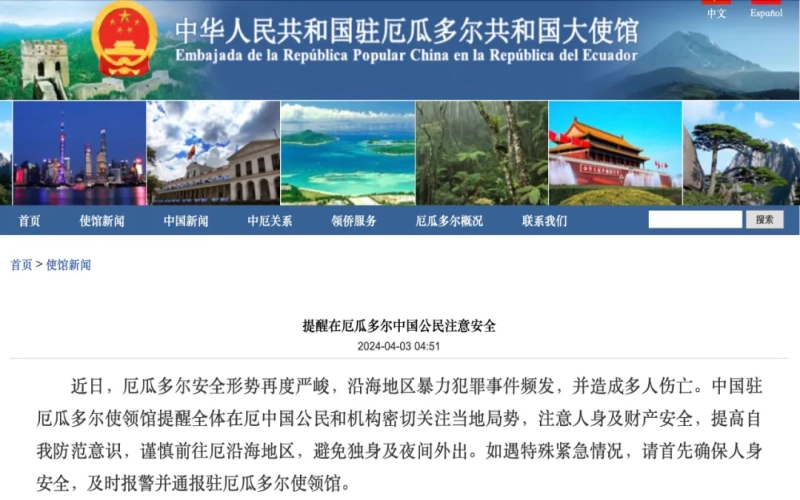
Ecuador's Armed Conflict Coupled with Diplomatic Crisis: Coffee and Tourism Industries Face Chain Reactions
Recently, the Chinese Embassy in Ecuador issued a security alert, noting the frequent violent crimes in the country's coastal areas and advising Chinese citizens and institutions to heighten their vigilance. Behind this warning lies Ecuador's ongoing internal armed conflict and an embassy arrest incident that has sent shockwaves through Latin American diplomacy. As a country dependent on exports of oil, bananas, cocoa, and coffee as well as tourism, Ecuador is facing dual pressures from a deteriorating trade environment and declining willingness among tourists to visit. Although its coffee has gradually risen to prominence in international competitions, attracting many bean hunters to visit, the current situation is undoubtedly casting a shadow over the local coffee industry and tourism economy. [more…]
A Complete Analysis of Dominican Coffee Bean Varieties and Flavors: Characteristics of the Santo Domingo, Barahona, and Cibao Regions
The Dominican Republic is located in the heart of the Caribbean, where a mild tropical climate and rolling mountain terrain provide exceptional conditions for coffee cultivation. This article systematically reviews the overall picture of Dominican coffee from the perspectives of producing regions, variety composition, flavor characteristics, processing methods, and historical origins. Among them, Barahona in the southwest, the Cibao Valley in the north, and the Santo Domingo and Bani areas in the south all produce high-quality coffee, with Santo Domingo and Bani being the most renowned. The article also introduces the cultivation proportions of the two major varieties, Typica and Caturra, the role of washed processing in enhancing flavor, and the differences in acidity and mouthfeel between highland and lowland coffee, providing coffee enthusiasts with a reference for understanding the unique charm of this Caribbean origin. [more…]

Somalia Once Again Expels Ethiopian Diplomats, Red Sea Crisis and Port Deadlock Deal Heavy Blow to Coffee Exports
Diplomatic friction between Ethiopia and Somalia continues to escalate. Somalia recently expelled Ethiopia's second-ranking diplomat in Somalia, and relations between the two countries are becoming increasingly tense over the Somaliland port agreement. Meanwhile, the Red Sea crisis has caused throughput at the Port of Djibouti to decline, severely disrupting the import and export of major commodities such as Ethiopian coffee. Combined with peak-season shipping price increases, the depreciation of the birr, and the delay of the EU's EUDR, Ethiopian coffee bean prices have risen across the board, and the local coffee industry is facing dual pressure from exports and costs. [more…]
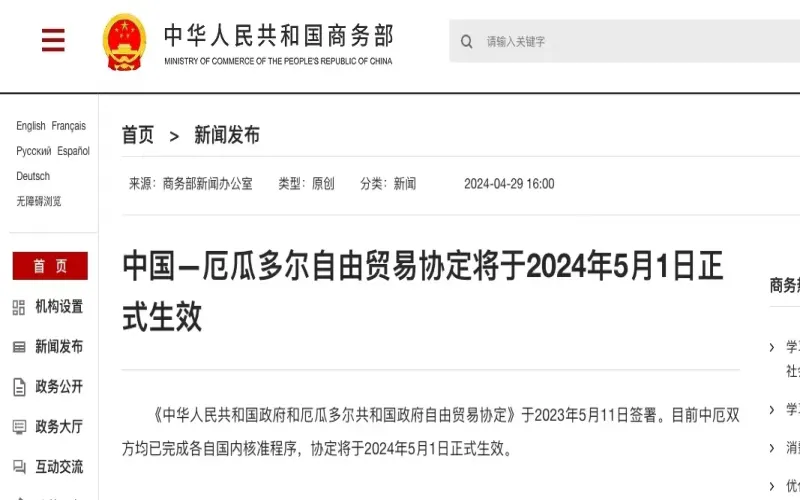
China-Ecuador FTA Takes Effect on May 1: 90% of Tariff Lines to Gradually Reach Zero Tariffs, Coffee and Other Product Exports Set to Benefit
The free trade agreement signed between China and Ecuador will officially take effect on May 1, 2024. Approximately 90% of tariff lines on both sides will gradually have tariffs eliminated, with 60% achieving zero tariffs on the day the agreement takes effect. When Ecuadorian agricultural products such as bananas, coffee, cocoa, and shrimp enter the Chinese market, import tariffs will gradually be reduced from 5%–20% to zero, injecting new momentum into the country's export trade. At the same time, Ecuador is facing drought-related power rationing and a diplomatic crisis domestically, and export industries such as coffee have been affected to a certain extent. This article will review the core contents of the agreement, Ecuador's current economic situation, and the relevant background of China's implementation of zero tariffs on many African countries. [more…]
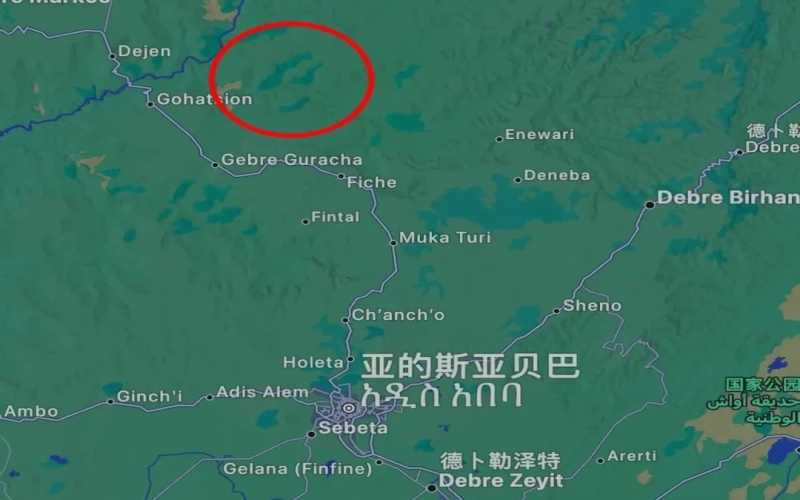
Ethiopian weapons smuggling scandal escalates, casting a shadow over the prospects of Somali port corridors
Armed conflict within Ethiopia continues to spread. Clashes recently erupted in the Dara area of North Shewa Zone, causing civilian casualties and large-scale displacement. Meanwhile, two trucks carrying Ethiopian weapons were intercepted and seized in central Somalia, triggering diplomatic tensions. This series of events could reduce Ethiopia's previously signed agreement with Somaliland on the use of Berbera Port to nothing, while Djibouti Port faces suspension of operations due to the Red Sea crisis. Coffee exports, the backbone of the country's economy, are facing an unprecedented logistics predicament. [more…]
What is French Mission Bourbon coffee? Flavor and brewing analysis of Kenyan French Mission coffee
Kenya is a major coffee-producing country in East Africa, adjacent to Ethiopia, the birthplace of coffee. In 1893, coffee was first introduced to Kenya via Brazil, and one of the varieties, known as "French Mission Bourbon," was brought from the island of Bourbon by a French diplomatic mission. Unlike the later laboratory-cultivated SL28 and SL34, French Mission Bourbon retains the original flavor of native Bourbon. This article will review the historical context of Kenyan coffee, the origins and characteristics of French Mission Bourbon, and introduce Front Street Coffee's Kenya Hania Estate French Mission Bourbon, along with suitable brewing parameters, to help coffee enthusiasts gain a comprehensive understanding of this unique bean variety. [more…]
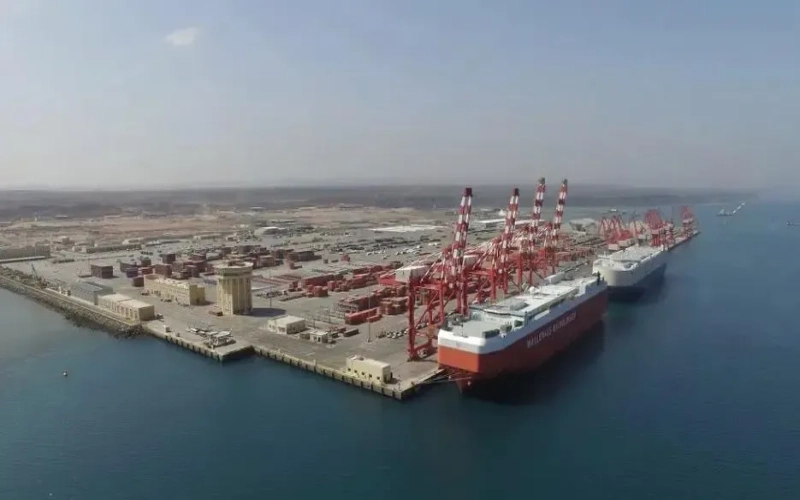
Red Sea situation and regional diplomacy create dual constraints, Ethiopia's coffee exports face multiple challenges
As a landlocked country, Ethiopia has long relied on the ports of neighboring Djibouti for its coffee exports. However, the ongoing Red Sea crisis has made this lifeline increasingly precarious. Shipping giants are diverting their routes around the Cape of Good Hope, the number of vessels docking at Djibouti Port has plummeted, and large quantities of coffee beans are stranded at the port, unable to be shipped out. Ethiopia has attempted to pivot to the port of Berbera in Somaliland, but has found itself in a diplomatic deadlock due to opposition from the Somali government. Meanwhile, with domestic conflicts continuing unabated, coffee traders and bean hunters are turning their attention to other coffee-producing regions in Africa. Data shows that both coffee export volumes and revenues declined in the first 10 months of the current fiscal year. Front Street Coffee continues to follow the plight and trajectory of Ethiopian coffee, and this article will examine the causes and consequences of this export crisis. [more…]
A Complete Analysis of Costa Rican Coffee Regions: From the Eight Major Producing Areas to Starbucks' First Specialty Estate and the Carnet Musician Series
Although Costa Rica is not a large country in terms of land area, it has become a representative producing region of high-quality Arabica coffee in Latin America thanks to its fertile volcanic soil, mild climate, and abundant rainfall. Even Starbucks chose this country for its first specialty coffee farm. In this article, Front Street Coffee will guide you through Costa Rica's coffee-growing history and policy evolution, review the altitude, harvest season, and flavor characteristics of eight major producing regions including the Western Valley, Central Valley, and Tarrazu one by one, and focus on introducing the Musician Series from the Canet Estate in Tarrazu—the processing methods and flavor profiles of four beans: Bach, Mozart, Beethoven, and Chopin—to help coffee enthusiasts gain a more systematic understanding of this producing region and choose good beans that suit their taste accordingly. [more…]
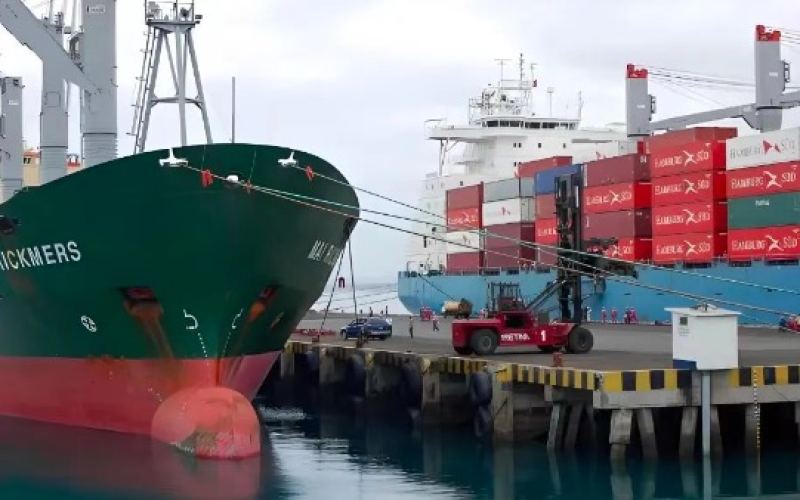
Tomorrow will officially take effect! China and Ecuador mutually cancel tariffs.
According to the news of the Chinese business website, on May 11, 2023, China and Ecuador signed the "Free Trade Agreement between the Government of the People's Republic of China and the Government of the Republic of Ecuador". At present, both China [more…]
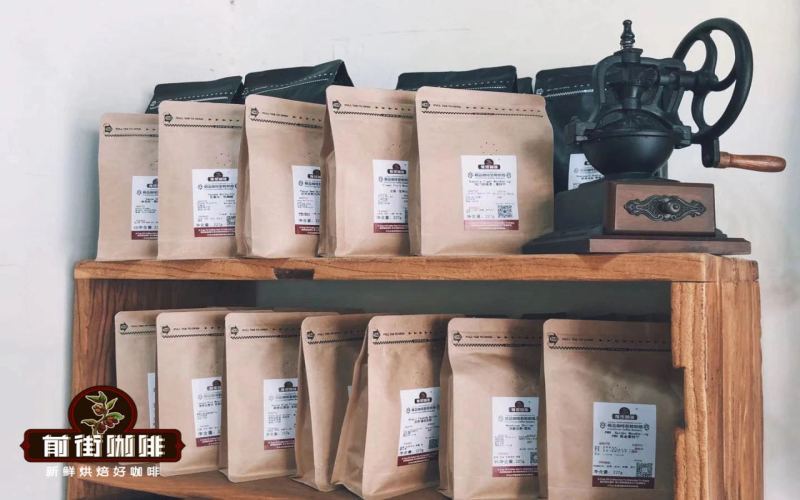
A Complete Guide to Brazilian Coffee Origins and Varieties: From Cerrado Red Bourbon to Queen Mogiana Estate Yellow Bourbon
Brazil is the world's largest producer of Arabica coffee, and its coffee-growing history can be traced back to a romantic diplomatic anecdote three hundred years ago. Today, seventeen Brazilian states produce coffee, with the southeast region particularly concentrated. This article focuses on Brazil's three most representative producing regions—Minas Gerais, Santos, and Cerrado—and takes a deeper look at two Brazilian single-origin coffees on Front Street Coffee's bean list: Cerrado Red Bourbon and Queen Mogiana Estate Yellow Bourbon. From variety origins and estate backgrounds to roasting and brewing parameters, it presents a comprehensive picture of Brazilian coffee's flavor characteristics—low acidity, smooth body, and prominent nutty and chocolate notes—helping coffee lovers understand the unique appeal of Brazilian coffee. [more…]

Philippine %Arabica stores suddenly hit by closure turmoil; official response cites termination of partnership and hacked account
On January 30, multiple %Arabica stores in the Philippines suddenly closed their doors, and its official Instagram account also appeared to be deactivated, sparking speculation among local consumers and media about whether the brand would withdraw from the Philippine market. The next day, %Arabica issued a statement on Facebook, saying it had terminated its partnership with former Philippine partner Allue Hortaleza, that existing stores were temporarily closed, and that it had found a new agency, promising to resume operations within the year. Regarding the account deactivation, the official explanation was that it had been hacked, and updates have now resumed. The former partner also issued a statement on February 1, saying it would continue to provide high-quality coffee. Behind the incident, some netizens speculated that the post-pandemic business recovery prompted the former partner to strike out on its own. How exactly will this sudden breakup turmoil affect %Arabica's future in the Philippines? [more…]
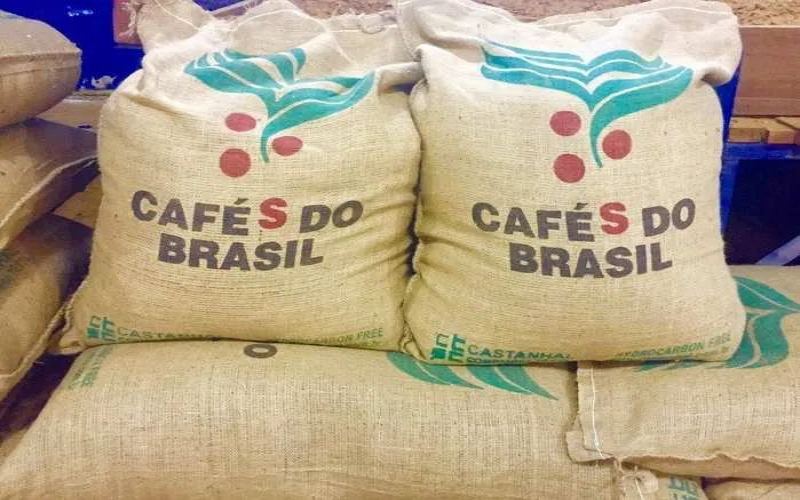
Brazil coffee presale progress only 12%, supply concerns and exchange rate turmoil jointly push prices to a 26-year high
The latest report from Brazilian consultancy Safras shows that as of December 11, 79% of Brazil's 2024/25 coffee crop had been sold, but pre-sales for the 2025/26 crop stood at only 12%, far below the same period in previous years. Hit by drought, forest fires and irregular rainfall, growers are deeply worried about the next season and are holding back on selling. Combined with a plunge of more than 20% in the Brazilian real, domestic Brazilian coffee spot prices have broken the highest record in 26 years. Several institutions warn that international coffee prices will remain high until production becomes clear. To learn more origin news, scan the QR code to follow Coffee Review. [more…]

Guatemalan Coffee Exports to China May Face Obstacles: The Trade Shift Behind the Foreign Ministry's Statement
Recently, news circulated from the Guatemalan exporters' alliance that China has banned the entry of the country's coffee and macadamia nuts. Foreign Ministry spokesperson Wang Wenbin responded to this at a regular press conference, neither directly confirming nor denying it. The background of the incident is that the Guatemalan president held a video meeting with the leader of the Taiwan region, and the foreign minister traveled to Taiwan, severely undermining the One-China principle, putting China-Guatemala economic and trade relations to the test. Guatemalan coffee has only recently formally entered the Chinese market, and China is currently its eighth-largest export destination. If bilateral relations continue to be tense, Guatemalan coffee beans may lose their share of the Chinese market, and domestic traders and roasters will also be affected. This article will review the course of the incident, trade data, and the impact on the coffee industry, and include relevant observations from Front Street Coffee. [more…]
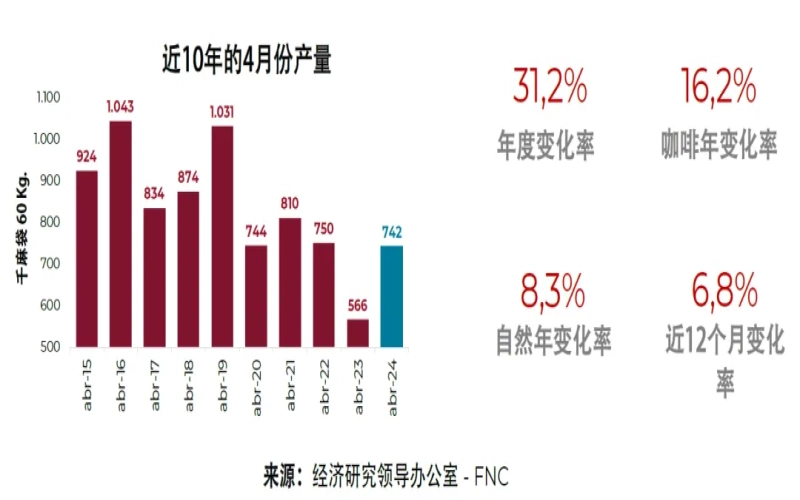
Turmoil in Colombian coffee regions escalates, yet 2024/25 output is still expected to climb to 12.4 million bags
The latest report from the National Federation of Coffee Growers of Colombia (FNC) shows that the country's coffee production reached 742,000 bags in April, an increase of more than 30% year-on-year, though down from March. Despite favorable weather that helped flowering, coffee farmers still face multiple challenges, including aging trees, frequent pest outbreaks and fluctuations in international prices. At the same time, escalating violence by anti-government armed groups in Cauca province has brought uncertainty to this important producing region. Colombia's coffee production for the 2024/25 season is expected to reach 12.4 million bags, with exports also expected to rebound. This article will analyze key points including production, exports, planting structure and policy support, and will also examine the potential impact of the security situation in producing regions on the coffee industry. [more…]
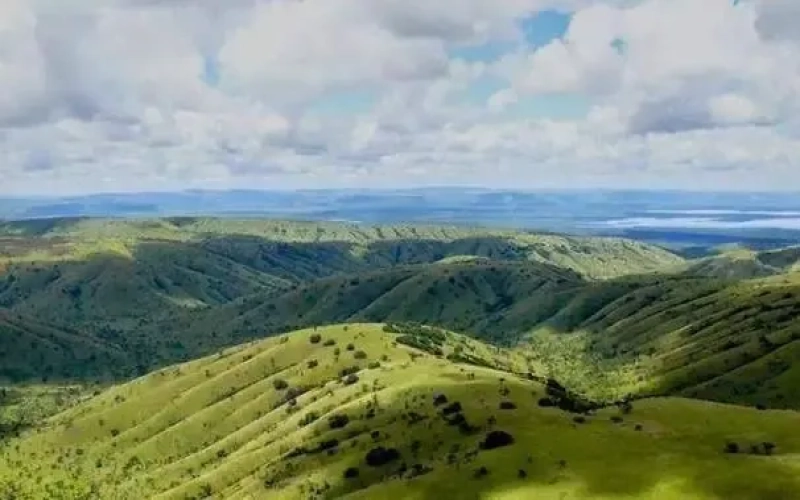
Rwanda's Lake Kivu Coffee Region: From Historical Turmoil to the Rise of Specialty Coffee
Rwanda, an East African highland country known as the "Land of a Thousand Hills," is claiming an increasingly important place on the global specialty coffee map. From coffee's introduction in 1904, to the post-1994 genocide effort to revive the economy through coffee, to breaking into the specialty market through the Cup of Excellence, Rwandan coffee has traveled an extraordinary road. Among its regions, the Lake Kivu production area—with its unique lake-and-volcano microclimate and benchmark washing stations such as Twumba—has become the emblem of Rwandan specialty coffee. This article takes you deep into the terroir code of the Lake Kivu region, along with related product information recommended by Front Street Coffee. [more…]

Luckin Coffee's 2022 Financial Report Turns Profitable: A Review of Key Strategies from Financial Turmoil to Counter-Trend Growth
In 2022, Luckin Coffee delivered a surprising report card: total net revenue for the year reached 13.293 billion yuan, and operating profit turned positive for the first time. From a record-breaking Nasdaq listing, to delisting due to financial fraud and a top-management reshuffle, and then to completing debt restructuring and returning to profitability, this brand's journey has been more twists and turns than a TV drama. Under the double squeeze of the pandemic's impact and debt pressure, what did Luckin rely on to turn things around? This article will sort through its pace of store expansion, coupon strategy, hit-product logic, launch speed and pricing, franchising and lower-tier market layout, as well as key moves such as signing endorsements and youth-oriented marketing, to reconstruct a more complete path of Luckin's recovery. [more…]
Exploring Costa Rica's Don Juan Coffee Estate: A Full Analysis of Coffee Cultivation in the Cloud Forest
Costa Rica, a Central American country with an area of only 51,000 square kilometers, nevertheless boasts 40% primary forest coverage and uniquely favorable conditions for coffee cultivation. Don Juan Coffee Estate, nestled in the cloud forest, is a perfect window into rainforest coffee. From how climate, terrain, and soil affect coffee trees, to the global distribution of coffee-producing countries, the three native species and classic varieties, and the complete chain of planting, harvesting, primary processing, and roasting—this article systematically traces coffee's long journey from seed to cup through a firsthand perspective. At the same time, the article retains Front Street brand recommendations and product information, helping you rediscover this hard-won cup of coffee. [more…]

A Complete Guide to Honduran Specialty Coffee: Regional Terroir, Grading System, and Flavor Characteristics
Honduras is located in northern Central America. Although it is known for its political instability, it is also a coffee-producing country that cannot be overlooked. This article will guide you through the country's coffee-growing conditions, grading standards, and processing methods, and take a deeper look at the flavor profile of Front Street Honduras coffee—from balanced acidity and bitterness to delicate fruity notes, as well as its versatile uses in both single-origin and blended coffees. Whether you are encountering it for the first time or already know something about it, you will gain a more complete understanding of Honduran coffee. [more…]
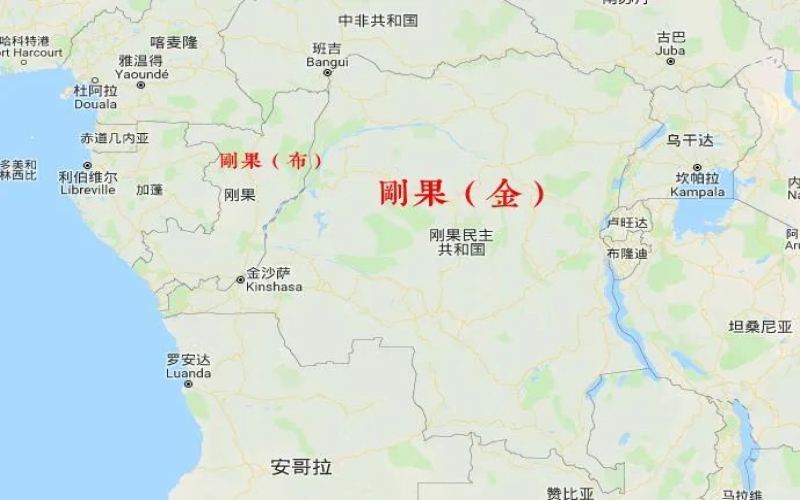
From Granary to Crisis to Recovery: The Tortuous Development of the Coffee Industry in the Democratic Republic of the Congo
The Democratic Republic of the Congo was once hailed as Africa's breadbasket, endowed with vast tracts of arable land, and coffee once held an important place in the country's economy. However, the shadow of colonial rule and successive waves of political turmoil severely constrained the development of the coffee industry. From coffee leaf rust propelling it to become a cash crop, to the sharp decline in production after the civil war, farmers risking cross-border bean sales, and now the gradual rebuilding in peacetime, the DRC's coffee industry has traversed an extraordinarily rugged path. This article will take you through this little-known history, as well as the opportunities and challenges currently facing the country's coffee industry. [more…]

Independent coffee shops hit by the 9.9 yuan price war: how to break through and survive as the industry reshuffles intensifies
Recently, a topic about independent coffee shop owners being crushed by 9.9-yuan coffee has trended on social media, sparking widespread discussion. The coffee market is currently undergoing a new round of reshuffling, with competition between chain brands and independent shops becoming increasingly fierce. Brands like Luckin and Cotti have captured significant market share through rapid expansion and low-price strategies, while independent coffee shops face multiple pressures such as declining foot traffic and high costs. Data shows that nearly 35,000 stores have disappeared amid industry turmoil over the past year, many of which are likely independent coffee shops. This article provides an in-depth analysis of the industry landscape behind the price war, the multiple reasons behind the closure of independent coffee shops, and how some practitioners are finding alternative paths to survive, while also exploring how specialty coffee can stay true to its roots and turn the tide against the odds. [more…]